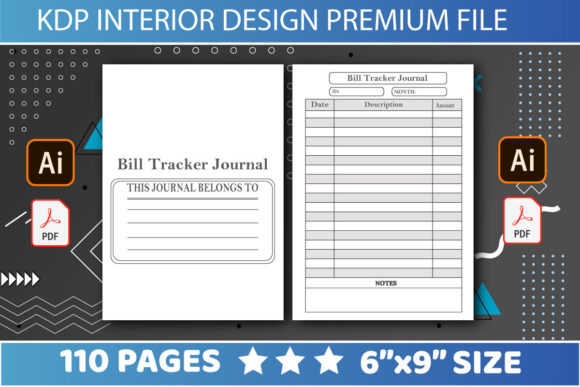
KDP Interiors Bill Tracker Journal: Streamlining Financial Organization for Self-Publishers
Managing the financial logistics of self-publishing requires more than just creative writing skills; it demands a systematic approach to expense tracking and royalty management. The KDP Interiors Bill Tracker Journal serves as a dedicated operational tool designed specifically for authors, publishers, and content creators who need to maintain precise records of their Amazon Kindle Direct Publishing activities. Unlike generic accounting ledgers, this journal is structured to align with the specific revenue streams and cost centers inherent in the self-publishing ecosystem. It functions as a central repository for tracking advertising spend, printing costs, royalty income, and miscellaneous business expenses associated with maintaining a catalog of books on Amazon.
For professionals ranging from freelance authors to small publishing imprints, integrating this tracker into your daily workflow bridges the gap between creative production and business administration. The journal provides a tangible or printable framework that ensures no transaction is overlooked during tax season or quarterly profit analysis. By standardizing how financial data is recorded, creators can move beyond scattered spreadsheets and receipt piles, establishing a reliable baseline for understanding the true profitability of their publishing ventures.
Technical Specifications and File Compatibility
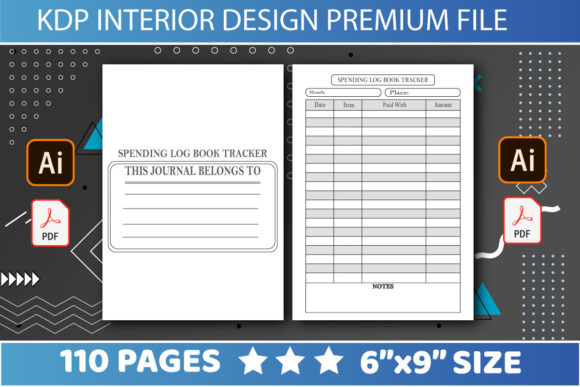
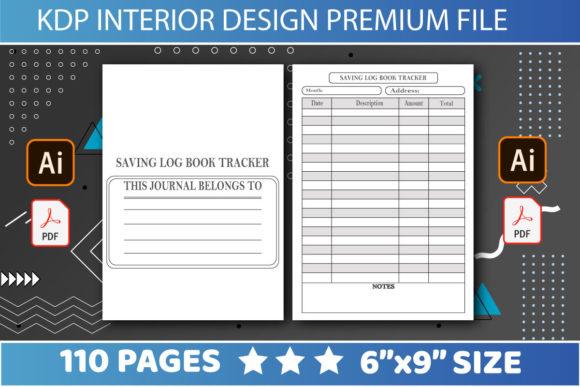
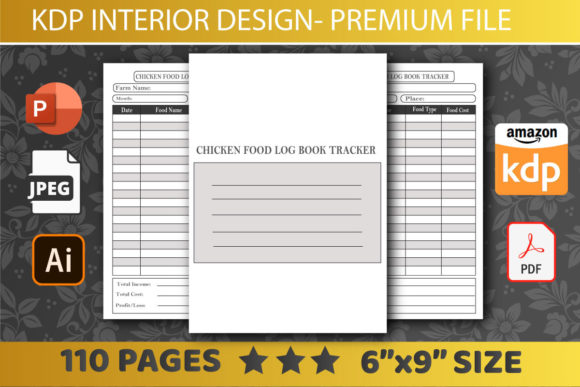
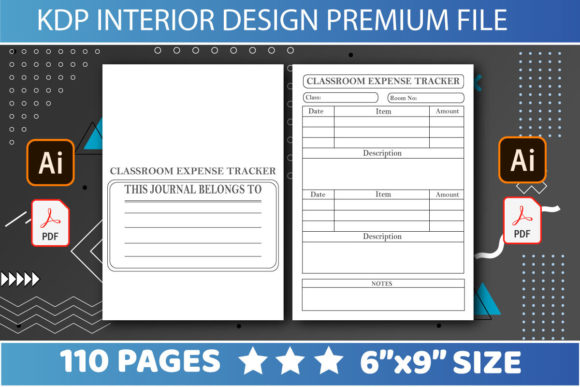
Effective implementation of any organizational tool begins with understanding its technical parameters. This KDP Interiors Bill Tracker Journal is engineered with specific dimensions and formatting standards to ensure compatibility across various platforms and use cases. The 6″ x 9″ inch trim size is the industry standard for trade paperbacks, making it an ideal form factor for a desk reference or a portable logbook. This size balances portability with sufficient writing space, allowing for detailed entries without becoming cumbersome.
The interior consists of 110 pages, providing ample capacity for tracking several months of transactions or an entire fiscal year depending on volume. Crucially, the layout utilizes a "No Bleed" setting. This technical specification means all content, including headers, footers, and table borders, remains within the safe margin zone. For users editing the source files, this eliminates the risk of critical information being trimmed off during printing or PDF export. It also simplifies the modification process, as you do not need to account for extended artwork areas when adjusting column widths or adding custom branding.
Availability in both PDF and AI (Adobe Illustrator) formats offers significant flexibility for different user types. The PDF version is ready for immediate use, suitable for digital annotation on tablets or direct printing for physical record-keeping. The AI source file caters to publishers and designers who require full editability. This vector-based format allows for granular adjustments to typography, color schemes, and table structures without quality loss. Whether you are rebranding your publishing company or simply need to add a specific expense category unique to your niche, the editable nature of these files ensures the journal adapts to your evolving business needs rather than forcing you into a rigid template.
Integrating the Tracker Into Pre-Launch Workflows
Financial organization should begin before a book goes live, not after sales start trickling in. During the pre-launch phase, the KDP Interiors Bill Tracker Journal acts as a budget forecasting instrument. Before hitting publish, creators incur various costs such as cover design, editing, ISBN purchases, and formatting services. Recording these initial investments immediately establishes your break-even point. By documenting these upfront expenditures in the journal’s designated sections, you create a clear financial target that informs your pricing strategy and marketing budget.
This stage is also optimal for customizing the editable AI files. If you know you will be running Amazon Ads specifically for this title, you can modify the journal’s headers to include columns for ACOS (Advertising Cost of Sales) or ROAS (Return on Ad Spend) before you even print or deploy the digital version. Tailoring the tool to your specific launch strategy prevents the need for messy annotations later. For educators or non-fiction authors who may have research expenses or travel costs associated with their book, adding these categories during the setup phase ensures comprehensive tracking from day one.
Operational Tracking During Active Campaigns
Once a book is live, the journal transitions from a planning document to an active monitoring system. The most critical application during this phase is correlating advertising spend with organic and paid sales. Many creators struggle because they view ad dashboards and bank deposits in isolation. This tracker facilitates cross-referencing by encouraging regular, perhaps weekly, entry updates. When you log an ad invoice alongside the corresponding period’s royalty estimate, patterns emerge that raw data exports often obscure.
Consistency is the primary driver of value here. Establishing a routine—such as updating the ledger every Friday morning—prevents backlog accumulation. For freelancers managing multiple client accounts or authors with extensive backlists, color-coding or using separate sections within the 110-page limit can distinguish between projects. The 6x9 format supports this segmented approach effectively; it is compact enough to keep open on a desk while navigating Seller Central or KDP Reports, yet spacious enough to record notes about why a particular expense was necessary. These qualitative notes are often just as valuable as the quantitative data when reviewing performance months later.
Post-Project Analysis and Long-Term Record Keeping
After a launch settles or a fiscal quarter ends, the completed sections of the KDP Interiors Bill Tracker Journal become a historical database for strategic decision-making. This is where the tool interacts directly with broader business intelligence processes. Instead of guessing whether a series is profitable, you can review aggregated data to calculate net margins per title. This retrospective analysis informs future decisions, such as whether to commission audiobooks, invest in premium marketing, or sunset underperforming titles.
For tax preparation, having a pre-organized journal significantly reduces friction. Accountants and tax software require categorized expenses, and transferring data from a structured journal is far less error-prone than reconstructing finances from email receipts. The standardized layout ensures that deductible expenses like software subscriptions, stock photography, and professional services are clearly delineated from personal spending. Even if you use cloud accounting software like QuickBooks or Xero, this journal serves as a verified backup and a quick-reference audit trail. The physical or offline digital nature of the file provides security against platform lockouts or API changes that can sometimes disrupt automated syncing tools.
Customization Strategies for Diverse User Needs
Because the KDP Interiors Bill Tracker Journal is provided in editable AI format, it supports diverse workflows beyond standard expense tracking. Marketers might repurpose the layout to track influencer campaign metrics or affiliate link performance. Educators using KDP for course materials could adapt the columns to monitor student purchase rates versus institutional licensing revenue. Bloggers and content creators expanding into print can modify the tracker to align with their existing sponsorship income streams, creating a unified financial view across digital and physical products.
When editing the source files, prioritize usability over aesthetics. While adding logos and brand colors enhances professionalism, ensure that contrast ratios remain high for readability and that table cells provide adequate writing space. Test your modified layout by printing a single page or viewing it at 100% zoom on your intended device before committing to the full 110-page document. This quality control step prevents wasted resources and ensures the final product genuinely supports your workflow rather than hindering it with poor ergonomics.
Best Practices for Sustainable Financial Management
Sustainable use of the KDP Interiors Bill Tracker Journal depends on treating it as a living component of your publishing business rather than a static administrative burden. Set realistic expectations for data entry frequency; daily logging may be unsustainable for part-time authors, whereas monthly reconciliation might be too infrequent for high-volume advertisers. Find a cadence that matches your transaction volume and stick to it. Utilize the notes sections liberally to capture context that numbers alone cannot convey, such as seasonal trends or experimental marketing tactics.
Finally, consider the lifecycle of the journal itself. With 110 pages, plan for continuity. Will you archive completed journals digitally? Do you need to index them for future reference? Establishing a filing system for completed trackers ensures that the insights gained today remain accessible years from now. By combining the precision of a purpose-built template with the flexibility of editable source files, this journal empowers self-publishers to take ownership of their financial narrative, transforming chaotic data into actionable business intelligence that supports long-term growth and stability.