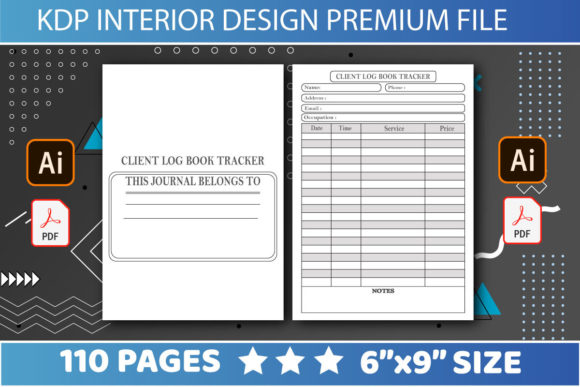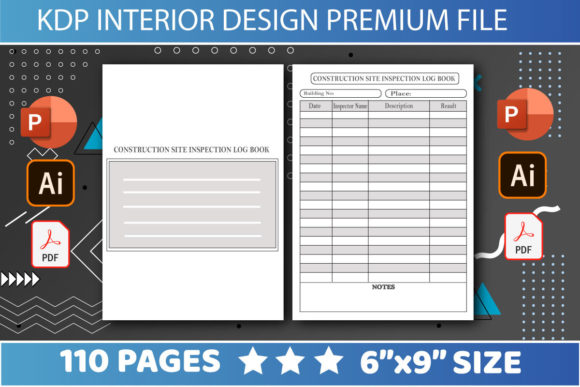
KDP Interiors Construction Log Book: Editable 6x9 Template
Creating a functional and professional low-content book for Amazon KDP requires more than just a cover; the interior utility determines whether a customer leaves a positive review or returns the product. For publishers targeting the trades, the KDP Interiors Construction Log Book serves as a critical resource for documenting daily site activities, tracking materials, and maintaining safety records. This specific template is engineered with precise technical specifications to ensure a smooth publishing process and a high-quality end product for contractors, site managers, and DIY enthusiasts.
The value of this log book lies in its adherence to industry-standard documentation needs while remaining flexible enough for various construction niches. By utilizing a pre-formatted interior that meets KDP’s strict printing guidelines, creators can bypass the tedious layout phase and focus on marketing and niche research. Understanding the specific dimensions, page counts, and file formats included in this package is essential for maximizing efficiency and ensuring the final paperback meets professional expectations.
Optimizing Layout with 6x9 Dimensions and No Bleed Settings
The choice of 6″ x 9″ inches is deliberate for construction logging. This trim size offers the perfect balance between portability and writing space. Unlike larger 8.5x11 formats that are cumbersome to carry up ladders or keep in a tool belt, the 6x9 size fits comfortably in standard pockets and small bags. For the KDP publisher, this dimension also correlates with lower printing costs and higher royalty margins compared to oversized alternatives. When selecting the KDP Interiors Construction Log Book, verifying that the interior matches this exact trim size prevents common upload errors such as margin warnings or text cutoff.
A defining feature of this template is the No Bleed setting. In KDP terminology, "no bleed" means that all text, lines, and graphics stay within the safe zone, leaving a consistent white margin around the edge of the page. This is particularly advantageous for log books because it ensures that no critical data entry fields are lost during the trimming process at the print facility. For users editing the file in PowerPoint or Illustrator, the no-bleed configuration simplifies the design workflow. You do not need to extend background colors or grid lines beyond the artboard, reducing the risk of formatting mistakes that often lead to rejected manuscripts.
Maximizing Utility with 110 Pages and Structured Spreads
The interior consists of 110 pages, a strategic length that provides substantial value without making the book too thick for field use. In the context of construction logging, this page count typically allows for several months of daily entries or comprehensive project tracking for medium-sized jobs. The template utilizes a 2-page spread layout, which is superior to single-page entries for this niche. A two-page spread allows for segmented data organization: one side can handle personnel, weather, and safety checks, while the facing page accommodates material deliveries, subcontractor notes, and progress photos descriptions.
This structured approach solves a common problem in generic notebooks where information becomes disorganized over time. By providing dedicated fields across a dual-page view, the KDP Interiors Construction Log Book encourages consistent record-keeping. For the publisher, this level of detail differentiates the product from blank journals. Customers searching for construction logs are looking for guided prompts that save them mental energy at the end of a long shift. The 110-page count also keeps the spine width sufficient for legible title printing, enhancing shelf visibility and searchability in physical listings.
Leveraging Multi-Format Files for Customization and Speed
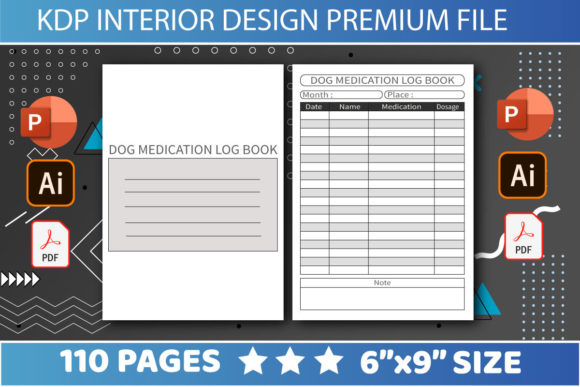
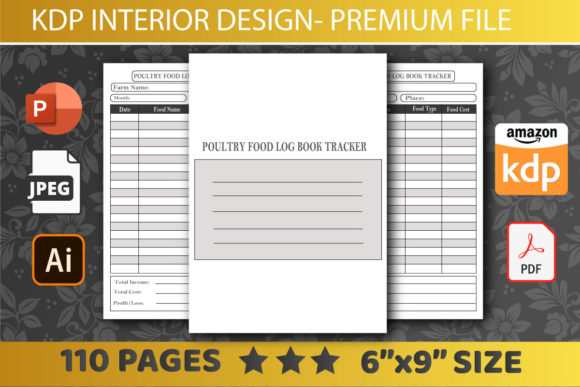
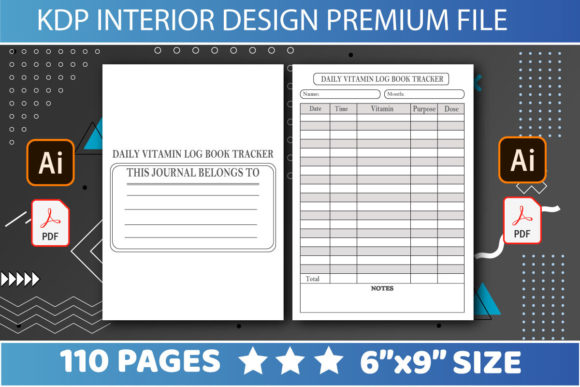
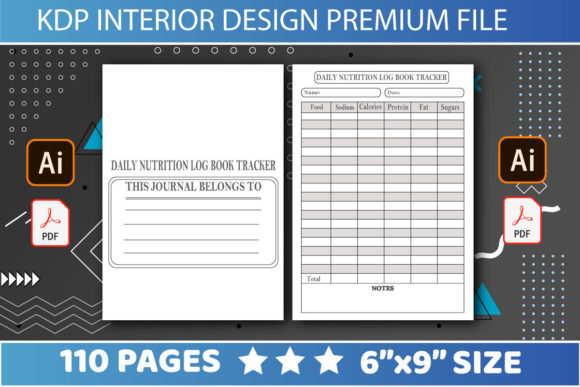
Versatility in file formats is perhaps the most significant practical benefit of this asset. The package includes PDF, AI (Adobe Illustrator), and PPT (PowerPoint) files. This tri-format availability addresses the varying skill levels and software access of different creators. While PDF is the final submission format required by KDP, having the source files in AI and PPT allows for meaningful customization without starting from scratch.
- PowerPoint (PPT): Ideal for beginners or those who prefer familiar office software. You can easily adjust font sizes, change header text, or modify table structures using drag-and-drop tools. This format lowers the barrier to entry for creating professional-grade interiors.
- Adobe Illustrator (AI): Best for designers requiring vector precision. If you plan to add custom branding, intricate logos, or specialized icons to the log book, the AI file ensures crisp lines and scalable graphics that maintain quality at any zoom level.
- PDF: The ready-to-upload option. If the standard layout meets your niche requirements perfectly, you can skip editing entirely and upload this file directly to KDP, significantly reducing time-to-market.
The ability to easily edit these files transforms a static template into a proprietary product. For example, a publisher targeting electricians might rename "Material Delivery" to "Wire & Conduit Usage," while a landscaping specialist might change "Safety Check" to "Equipment Maintenance." This level of adaptation is what builds brand authority and reduces direct competition. Instead of selling a generic construction log, you are offering a specialized tool tailored to a specific trade's workflow.
Practical Applications and Target Audience Alignment
Understanding who benefits most from the KDP Interiors Construction Log Book helps in crafting effective metadata and advertising copy. Primary users include general contractors, site supervisors, home inspectors, and independent tradespeople who need liability protection through documented records. Secondary audiences include DIY homeowners managing renovations and property managers overseeing maintenance teams. Each group has distinct pain points that this template addresses through its organized layout.
For instance, a home inspector values the structured checklist format to ensure no inspection point is missed, whereas a general contractor prioritizes the daily manpower and weather tracking sections for billing disputes. By recognizing these nuances, publishers can create multiple versions of the same base template. The editable nature of the PPT and AI files supports this strategy, allowing one purchase to generate several niche-specific products. This efficiency is vital for scaling a KDP business while maintaining high relevance for each target keyword cluster.
Evaluating Fit and Technical Considerations
While this template offers significant advantages, it is important to assess fit before publication. The no bleed setting, while safer for printing, limits aesthetic choices for those desiring full-page colored backgrounds or edge-to-edge graphics. If your brand identity relies heavily on immersive visual design rather than functional utility, a bleed-enabled template might be necessary. Additionally, the 6x9 size, though portable, may not offer enough horizontal space for complex architectural sketches or extensive tabular data. Publishers targeting architects or engineers should compare this against landscape or larger portrait options.
Furthermore, when editing the PPT or AI files, users must respect the established safe zones. Moving elements too close to the gutter (inner margin) can make the log book difficult to write in once bound. The 110-page structure is optimized for standard KDP paper weight; adding significantly more pages may require recalculating spine width if you are designing a custom cover wrap. Always verify the final PDF against KDP’s previewer tool after making edits to ensure that font embedding and color profiles remain intact. Despite these considerations, the KDP Interiors Construction Log Book remains a robust foundation for creators seeking to deliver genuine utility in the competitive low-content category.