Optimizing Poultry Management with a KDP Interiors Chicken Weight Log Book Template
Effective poultry management relies heavily on consistent data collection, yet many small-scale farmers and hobbyists struggle to find tracking tools that balance professional utility with publishing flexibility. The creation of a specialized logbook for Amazon KDP requires more than just lined paper; it demands a layout specifically engineered for agricultural recording. A dedicated KDP Interiors Chicken Weight Log Book serves as the bridge between functional farm management and low-content book publishing. By utilizing a pre-formatted template designed with precise specifications, creators can produce high-quality resources that serve backyard flock owners, 4-H participants, and commercial breeders alike. Understanding the technical and practical nuances of these templates ensures the final product is both a viable commercial asset and a genuinely useful tool for end-users.
Technical Specifications and Print Compliance
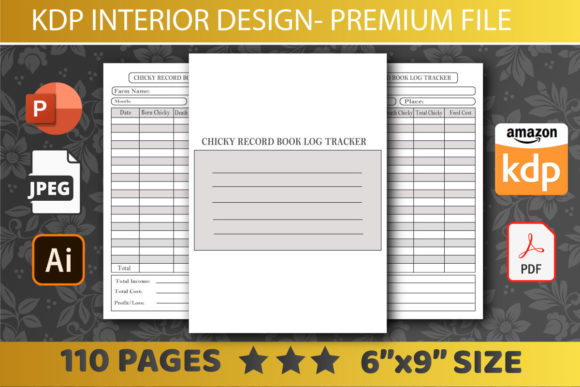
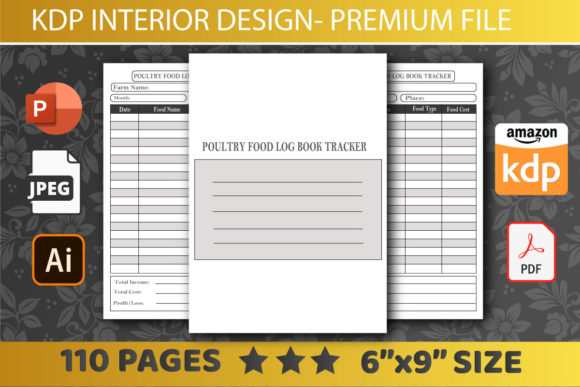
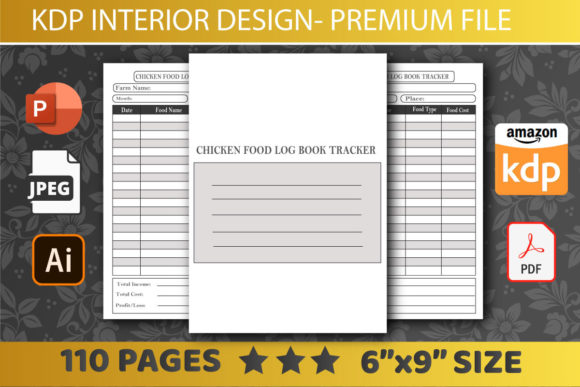
The foundation of any successful KDP interior lies in its adherence to strict printing guidelines. For this specific niche, the industry-standard dimension is 6″ x 9″ inches. This trim size is widely regarded as the optimal form factor for field use. It is large enough to accommodate detailed handwriting and tabular data but compact enough to fit into a coat pocket or hang from a clipboard in a coop environment. Unlike larger ledger sizes, the 6x9 format reduces shipping costs and shelf footprint while maintaining sufficient writing surface area.
A critical technical parameter for this template is the no bleed setting. In KDP terminology, "no bleed" means that all text, lines, and graphics must remain within a designated safe zone, typically 0.375 inches from the edge of the page. This specification is particularly important for logbooks intended for functional use. When users are writing in a barn or outdoor setting, they need ample margin space to hold the book without obscuring data fields. A no-bleed design also prevents crucial table headers or weight columns from being trimmed off during the manufacturing process, ensuring every copy remains fully legible and usable.
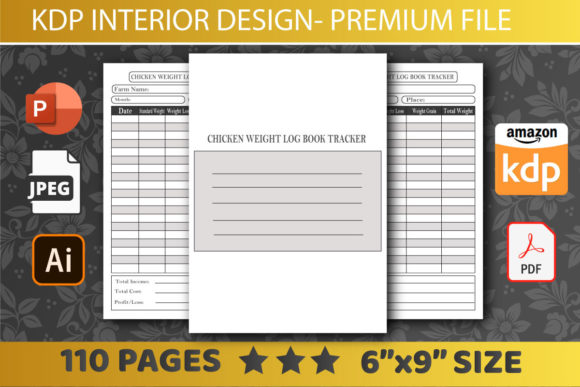
The volume of the book is set at 110 pages. This page count is strategically chosen for several reasons. First, it provides enough capacity for a full season of tracking or an entire breeding cycle without making the spine too thick for comfortable field handling. Second, 110 pages align well with KDP’s binding thresholds for paperback durability. Finally, when structured with 2 pages per logging spread (or repeated single-page logs), this length offers substantial perceived value to the customer while keeping production costs manageable for the publisher.
File Format Versatility and Editability
One of the most significant advantages of modern KDP interiors is the availability of source files in multiple formats: PDF, AI, and PPT. While PDF is the required submission format for Amazon, having access to Adobe Illustrator (AI) and PowerPoint (PPT) source files transforms the product from a static asset into a customizable platform.
- Adobe Illustrator (AI): Ideal for designers who wish to modify vector elements, adjust line weights, or rebrand the cover and headers. This format preserves the highest quality for print and allows for precise manipulation of the grid systems used in weight tracking tables.
- PowerPoint (PPT): A game-changer for non-designers. Many KDP creators lack proficiency in professional design software. A PPT source file allows users to edit text, change fonts, and adjust table layouts using familiar office software. This accessibility lowers the barrier to entry for creating niche-specific variations.
- PDF: The universal standard for immediate upload. For creators who do not need to make changes, the ready-to-publish PDF ensures compliance with KDP’s resolution and color profile requirements instantly.
The ability to easily edit these files means a single template can be adapted for different poultry breeds, regional measurement units (metric vs. imperial), or specific organizational branding, significantly expanding the potential market reach.
Functional Design Elements for Poultry Tracking
A generic notebook cannot replace a specialized KDP Interiors Chicken Weight Log Book because poultry management requires specific data points. The interior layout must reflect the actual workflow of weighing birds. Effective templates include structured columns that go beyond simple date and weight entries. Practical designs often incorporate fields for bird identification (band number or name), age in weeks, feed type, and health observations.
The arrangement of these fields matters significantly. In a 6x9 no-bleed format, horizontal space is at a premium. Successful layouts utilize landscape-oriented tables within the portrait page or condensed vertical columns to maximize entry space. The inclusion of 2 pages of introductory content or reference charts before the logging pages adds immense utility. These preliminary pages might feature average weight charts for popular breeds like Rhode Island Reds or Silkies, conversion tables for feed ratios, or vaccination schedules. This transforms the book from a passive recording device into an active reference guide.
Furthermore, the visual hierarchy of the log pages should guide the user’s eye. Bold headers for column titles, alternating row shading (if grayscale printing permits), and adequate spacing between rows prevent transcription errors. When a farmer is holding a bird in one hand and a pen in the other, the logbook must be intuitive. Overly dense or decorative layouts hinder functionality, whereas clean, minimalist designs enhance the user experience and lead to better reviews and repeat customers.
Target Audience Applications and Use Cases
Understanding who uses these logbooks informs how they should be marketed and customized. The audience for chicken weight tracking is diverse, spanning from casual enthusiasts to serious professionals.
Backyard Flock Owners: This demographic often keeps chickens for eggs or meat and monitors weight to ensure flock health and detect illness early. They value simplicity and durability. A logbook that includes space for egg production alongside weight tracking appeals to this dual-purpose interest.
4-H and FFA Students: Youth agricultural programs require meticulous record-keeping for project evaluation. These users need logbooks that look professional and meet organizational standards. Templates that include summary pages or goal-setting sections are particularly valuable for this segment, as they support the educational aspect of animal husbandry.
Breeders and Exhibitors: For those raising show birds, weight is a criterion for competition eligibility and breeding selection. These users track lineage and generational weight trends. A logbook that accommodates pedigree information or multi-generational tracking offers specialized value that generic notebooks cannot provide.
Small-Scale Commercial Farmers: Even operations selling at farmers' markets need to track growth rates to calculate feed conversion ratios and profitability. For this group, the logbook is a business tool. Space for calculating cost-per-pound or noting market dates integrates financial tracking with biological monitoring.
Strategic Customization for Market Differentiation
Because the KDP marketplace is competitive, simply uploading a standard template is rarely sufficient. The easily editable nature of the AI and PPT files enables strategic differentiation. Creators can develop niche-specific versions of the same core template. For example, modifying the header to specify "Broiler Growth Tracker" versus "Laying Hen Health Log" targets distinct search intents. Adjusting the table columns to focus on medication administration rather than show preparation creates a completely different product from the same base file.
Seasonal adaptations also present opportunities. A spring chick starter log might emphasize weekly weight gain and brooder temperature, while an autumn molting log might focus on feather condition and weight maintenance. By leveraging the editable source files, publishers can maintain a fresh catalog that addresses the cyclical nature of poultry keeping without designing new interiors from scratch.
Additionally, localization is a powerful strategy. Providing metric and imperial versions, or including region-specific veterinary notes, can capture underserved international markets. The flexibility of the provided file formats makes this level of customization efficient and cost-effective, allowing creators to build a comprehensive brand around poultry management resources rather than offering a single, isolated product.
Ensuring Quality and User Satisfaction
Ultimately, the success of a KDP Interiors Chicken Weight Log Book depends on its real-world performance. Publishers should always order a proof copy to test the no-bleed margins and paper quality. Writing on KDP standard paper requires testing various pens to ensure the layout works with common ballpoints and gel pens without excessive ghosting. Verifying that the 6x9 dimensions feel right in hand and that the 110-page thickness allows the book to lay flat (or at least open sufficiently) is essential for user satisfaction.
Feedback loops are equally important. Monitoring customer reviews for comments about column width, font size, or missing fields provides actionable data for future template revisions. Since the files are editable, improvements can be implemented rapidly. This iterative approach, grounded in the technical realities of KDP printing and the practical needs of poultry keepers, ensures the logbook remains a relevant and trusted resource in a growing niche market.