Evaluating the KDP Interiors Diving Logbook for Self-Publishing
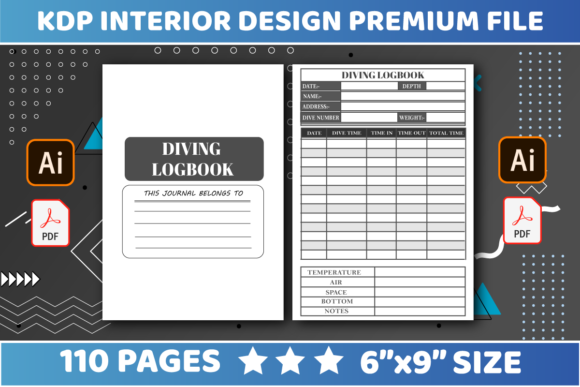
For self-publishers and low-content book creators, finding a reliable interior template is often the bottleneck in the production workflow. The KDP Interiors Diving Logbook presents a specific solution for the scuba and freediving niche, offering a pre-formatted structure designed to meet Amazon’s technical requirements while serving a functional purpose for end-users. This resource is not merely a collection of blank lines; it is a structured asset defined by precise specifications: 6″ x 9″ dimensions, 110 pages, three distinct layout settings, no bleed configuration, and editable PDF/AI file formats. Understanding the practical application of these specifications is essential for publishers aiming to create a competitive product in the aquatic sports category.
Technical Specifications and Platform Compliance
The foundation of any successful KDP publication is adherence to printing guidelines. This diving logbook template addresses the most common rejection reasons through its predefined technical parameters. The 6″ x 9″ trim size is arguably the industry standard for recreational logbooks. It strikes an optimal balance between portability and writing space, fitting easily into dive bags or gear pockets without sacrificing the area needed for detailed data entry. Larger formats often suffer from poor sales velocity in this niche due to impracticality, while smaller sizes frustrate users attempting to record complex dive profiles.
The 110-page count is a strategic choice rather than an arbitrary number. In the context of KDP printing costs, this page count sits in a sweet spot that allows for a competitive retail price while maintaining a healthy royalty margin. It provides sufficient capacity for approximately 50 to 100 dives, depending on the layout density, which aligns with the typical usage lifecycle of a recreational diver’s annual log. Furthermore, the "no bleed" setting significantly reduces production risk. Bleed errors are the primary cause of formatting rejections and proofing delays. By utilizing a no-bleed interior with appropriate safety margins, publishers can streamline the upload process and minimize the likelihood of text being truncated during the trimming phase.
File Format Flexibility and Editability
A critical differentiator for this asset is the inclusion of both PDF and AI (Adobe Illustrator) source files. While the ready-to-upload PDF serves immediate needs, the AI file unlocks long-term value for serious publishers. Editability is not just about changing fonts; it is about brand differentiation. The ability to modify vector elements allows creators to:
- Customize Headers and Footers: Add unique branding, website URLs, or series titles to distinguish the book from generic competitors.
- Adjust Data Fields: Tailor the logging fields to specific sub-niches, such as adding nitrox tracking for technical divers or removing irrelevant sections for snorkelers.
- Modify Visual Elements: Replace stock icons with custom illustrations or adjust line weights to match a specific aesthetic theme.
- Correct or Update Content: Fix typos or update terminology without needing to recreate the entire layout from scratch.
This level of access transforms the product from a static template into a foundational design system. For marketers and entrepreneurs building a portfolio of outdoor activity books, this editability ensures consistency across multiple titles while reducing the time investment required for each new release.
Analyzing Layout Utility and User Experience
The mention of "3 Setting No Bleed" suggests the template includes variations in page layout or content density. In practical terms, this versatility addresses the diverse needs of the diving community. A single rigid layout rarely satisfies all users. Effective logbooks typically require a mix of comprehensive dive logs, equipment checklists, and summary pages. Having three distinct settings within the same file ecosystem allows the publisher to curate a user experience that feels intentional rather than repetitive.
From a usability perspective, the quality of the interior dictates customer satisfaction and review ratings. Divers use these books in challenging environments—often on wet boats or in humid conditions. The spacing of lines, the clarity of table headers, and the logical flow of information are paramount. If the font size is too small or the columns are too narrow, the book becomes frustrating to use underwater or immediately post-dive when memory is freshest. Publishers must evaluate the provided layouts against real-world diving standards. Does it include space for water temperature, visibility, weight used, and buddy names? Are there dedicated areas for sketching dive sites or noting marine life sightings? These functional details determine whether the book is perceived as a professional tool or a novelty item.
Strategic Value for Different Publisher Profiles
The applicability of the KDP Interiors Diving Logbook varies depending on the creator's business model and expertise level. Understanding where this asset fits within different workflows helps in making an informed acquisition decision.
For New Publishers and Hobbyists: The primary value is risk reduction. Creating a compliant, functional logbook from scratch requires learning design software and studying KDP guidelines. This template removes the technical learning curve, allowing beginners to focus on keyword research, cover design, and marketing. The pre-set margins and bleed settings act as guardrails against costly mistakes.
For Established Authors and Brand Builders: The value lies in efficiency and scalability. Professionals who already have a cover designer and marketing funnel can use this interior as a white-label base. Instead of spending 20 hours designing a logbook, they can spend two hours customizing the AI file to match their existing brand identity. This accelerates the time-to-market for expanding a niche portfolio.
For Dive Instructors and Shop Owners: This template offers a pathway to creating proprietary merchandise. Rather than selling generic logbooks, a dive shop could customize the interior to include local dive site maps, shop-specific safety protocols, or certification tracking pages. This turns a standard KDP product into a localized value-add service.
Practical Considerations and Limitations
While the KDP Interiors Diving Logbook offers significant advantages, objective evaluation requires acknowledging potential limitations. The "editable" nature of the AI file assumes the user has access to Adobe Illustrator or compatible vector editing software. Publishers relying solely on Canva or basic PDF editors may find themselves unable to leverage the full customization potential. It is vital to verify software compatibility before purchase.
Additionally, because this is a commercially available template, there is an inherent risk of market saturation. If dozens of publishers upload the unmodified PDF with similar covers, the marketplace becomes diluted. Success with this asset depends heavily on the degree of customization applied. The template should be viewed as a starting point, not a final product. Publishers must also conduct independent keyword research; owning a high-quality interior does not guarantee visibility if the metadata strategy is flawed.
Quality control remains the publisher's responsibility. Even with a professionally designed template, variations in screen calibration and printer tolerances mean that ordering a physical proof is non-negotiable. Checking the opacity of lines, the alignment of tables, and the readability of text at actual print size is essential. Digital previews can be deceptive, and customer feedback regarding print quality is irreversible.
Final Assessment of Workflow Integration
The KDP Interiors Diving Logbook represents a pragmatic resource for creators targeting the aquatic sports niche. Its strengths lie in technical compliance, format flexibility, and the inclusion of editable source files that support long-term brand development. The 6x9 dimension and 110-page structure reflect a solid understanding of market expectations and printing economics. However, its true value is realized only when paired with active customization and strategic marketing.
For those seeking to enter the diving logbook market, this asset effectively bridges the gap between amateur attempts and professional-grade publishing. It reduces technical friction while providing enough creative latitude to build a unique product. Ultimately, the decision to utilize this template should be based on whether it aligns with your current skill set and business goals. If you possess the tools to edit AI files and the vision to differentiate your offering, this logbook interior serves as a reliable foundation for a sustainable publishing project. If you lack the means to customize, it still functions as a competent baseline, provided you invest effort into distinctive cover design and precise audience targeting to avoid blending into the background of generic search results.